

spiritual truths : ค้นหาหนังสือธรรมะ
หน้าหนังสือทั้งหมด

135
เป้าหมายของพระพุทธศาสนา
assured of His enlightenment.
(เนื่องจากทรงปฏิบัติกิจที่จะต้องทำในอริยสัจ ๔ เสร็จสิ้น
สมบูรณ์แล้ว พระสัมมาสัมพุทธเจ้าจึงทรงมั่นพระทัยปฏิญาณ
พระองค์ว่าบรรลุอนุตตรสัมมาสัมโพธิญาณแล้ว)
A : Is the goal of
(เป้าหมายของพระพุทธศาสนานั้นมีที่มาจากปฐมเทศนาใช่ไหม ครับ) B : Yes, it is. Actually there's more than one goal of Buddhism. And the ultimate goal of Buddhism is the end of suffering or Nirvana. (ถูกแล
213
Understanding Suffering and Its Origin
aloko udāpadi. must be done in relation to Suffering.
<3.5.3> Ta
This text discusses the detailed understanding of suffering as articulated by monks. It highlights the arising of wisdom, knowledge, and brightness concerning truths about suffering and its origin tha

124
หัวใจพระพุทธศาสนาคืออะไร
สนทนาธรรมยามว่าง
โดย ดวงธรรม
What is the Real Heart of Buddhism?
หัวใจพระพุทธศาสนาคืออะไร
Tom : Rob, have you finished reading these books?
Rob : Yes. I will give them back to you so that I
can borrow
หัวใจพระพุทธศาสนาคืออะไร Tom : Rob, have you finished reading these books? Rob : Yes. I will give them back to you so that I can borrow some new ones. Tom : Rob : All right. Please choose what you lik

125
อริยสัจ ๔ ประกอบด้วย
Tom:
Rob :
The Four Noble Truths include the truth of
suffering, the truth of the cause of suffering,
the truth of the end of suffering, and the truth
of the path leading to the end of suffering.
I am
Tom: Rob : The Four Noble Truths include the truth of suffering, the truth of the cause of suffering, the truth of the end of suffering, and the truth of the path leading to the end of suffering. I am
27
Understanding the Four Noble Truths in Buddhism
**1. Saccaṇāṇa:** This first cycle of examination of the knowledge of the Four Noble Truths established the knowledge of the Truth of their Existence. Thus he was to find out: 'this is the Noble Truth
This text outlines the process of examining the Four Noble Truths in Buddhism through three cycles: Saccaṇāṇa (knowledge of existence), Kiccāṇāṇa (knowledge of duty), and Kataṇāṇa (knowledge of fulfil

20
การพัฒนาจิตใจควบคู่กับการแก้ปัญหาสังคม
ว่าสามารถแก้ปัญหานี้โดยมองด้านเดียวก็พอแล้ว
คงเป็นไม่ได้ ถ้าจะมุ่งแก้ปัญหาความ
ยากจนโดยไม่ได้แก้ที่จิตใจของมนุษย์ควบคู่กันไป เช่น
ถ้าเราจะมองประเทศใดประเทศหนึ่งโดยวัดที่ความ
มั่งคั่งและยากจนทางทรัพย์ส
ว่าสามารถแก้ปัญหานี้โดยมองด้านเดียวก็พอแล้ว คงเป็นไม่ได้ ถ้าจะมุ่งแก้ปัญหาความ ยากจนโดยไม่ได้แก้ที่จิตใจของมนุษย์ควบคู่กันไป เช่น ถ้าเราจะมองประเทศใดประเทศหนึ่งโดยวัดที่ความ มั่งคั่งและยากจนทางทรัพย์ส
69
The Superiority of Dhamma over Worldly Existence
33. You were fed by me the milk that could relieve thirst (only) momentarily; But I was fed by you the dhamma-milk that is perpetually peaceful. In this passage, a comparison is made between worldly m
ในบทความนี้เสนอการเปรียบเทียบระหว่างความเป็นแม่ในโลกกับการเป็นบิดาทางจิตวิญญาณ โดยเน้นที่การดูแลร่างกายทางกายภาพและร่างกายทางจิตวิญญาณ รวมถึงประสิทธิภาพในการบรรเทาความกระหายของนมธรรมดาและนมที่เป็น dha
70
The Essence of Dhamma-Milk in Spiritual Growth
related also to the happiness arisen from the realisation of truths, as
mentioned in the previous verse.
In verse 33, Gotami is said to have been fed on the ‘dhamma-milk.’105 Because it is fed to her
The concept of dhamma-milk represents spiritual nourishment derived from the Buddha's teachings, leading to inner peace and realization of truths. Gotami's declaration signifies the transition from ph
121
Truth for the Family: Lessons from the Buddha
Part Five: Truth for the Family
2. Ideally, he/she should be extremely intelligent,
exceptionally virtuous, exceedingly knowledgeable
of the truths about life (be enlightened), and all
his knowledge m
In this passage, we delve into the qualities of an ideal mentor and the essence of the Buddha's teachings. The ideal mentor is someone who is not only intelligent and virtuous but also knowledgeable f
34
อริยสัจ 4 หรือ The Four Noble Truths
Dhamma TIME
คำศัพท์ภาษาอังกฤษที่รู้
ตอน อริยสัจ 4 หรือ The Four noble Truths
welcome to I like English รายการที่จะทำให้คุณชอบภาษาอังกฤษมากขึ้น
โดย นันทนัศภ์ ภาวนาภรณ์ (ชิน) & Aj. Sebastian Copija
ในรายการ I like English นันทนัศภ์ ภาวนาภรณ์ (ชิน) และ Aj. Sebastian Copija นำเสนอหัวข้ออริยสัจ 4 หรือ The Four Noble Truths ที่เป็นความจริงอันประเสริฐ 4 ประการซึ่งพระสัมมาสัมพุทธเจ้าเข้าใจในระหว่างการ
200
The Middle Way and the Four Noble Truths
3. Right Speech [Sammā Vācā]
4. Right Action [Sammā Kammanta]
5. Right Livelihood [Sammā Ājīva]
6. Right Effort [Sammā Vāyāma]
7. Right Mindfulness [Sammā Sati]
8. Right Concentration [Sammā Samādhi]
This text discusses the Middle Way as taught by the Tathāgata, emphasizing the importance of Right Speech, Action, Livelihood, Effort, Mindfulness, and Concentration as a means to attain insight and e
206
Knowledge of the Path to Cessation of Suffering
3.8.1 Dukkhanirodhagāminī Saccāṇa: Knowledge of the existence of Path to the Cessation of Suffering.
3.8.2 Dukkhanirodhagāminī Kiccaṇāṇa: Knowledge of what must be done in relation to Path to the Ces
This text discusses the twelve stages of the Cycle of Examination derived from the Four Noble Truths and their relation to enlightenment. It elaborates on the three circuits: knowledge of existence, k

94
หัวใจพระพุทธศาสนา
A&B
สนทนาธรรมยามว่าง
โดย : ดวงธรรม
หัวใจพระพุทธศาสนาคืออะไร
A: What is the heart of Buddhism?
(หัวใจพระพุทธศาสนาคืออะไร)
B: Actually, the Lord Buddha did not particu-
larly state which one of His Teac
หัวใจพระพุทธศาสนาคืออะไร A: What is the heart of Buddhism? (หัวใจพระพุทธศาสนาคืออะไร) B: Actually, the Lord Buddha did not particu- larly state which one of His Teachings was the heart of Buddhism. (อ
72
Understanding Nirvana and the Path to Enlightenment
Nirvana
Nirvana (Pali, Nibbanna) is the state of ultimate happiness -- the happy condition of enlightenment -- the highest spiritual attainment. This is not the sense-based happiness of everyday life;
Nirvana, or Nibbanna, represents the ultimate state of happiness in Buddhism, transcending the sense-based joys of daily life. Attaining Nirvana marks the end of the rebirth cycle, granting liberation
20
Rebirth & Incarnation in Buddhism
Rebirth & Incarnation
Monica
with property in a timely manner so as to be invested
in the future. The parents also suggest how to earn,
spend and save money.
: In my travels I have seen different birt
In Buddhism, the gender of a child is not considered important for the spiritual progress of parents. Conversations highlight that responsibilities are not tied to the sex of the child, emphasizing th

72
Adhitthana-citta
T
his is an aspect of spiritual perfection we
call 'Adhitthana-citta'; the wish for pro-
gression, the state of existence which has direction
and ambition towards a higher state of spiritual
being. It
T his is an aspect of spiritual perfection we call 'Adhitthana-citta'; the wish for pro- gression, the state of existence which has direction and ambition towards a higher state of spiritual being. It
68
Dhammakāya and Noble Disciples
VI. Reference 3: Dhammakāya and Noble Disciples
Besides the term’s relation to the Buddha and Paccekabuddhas, a Pāli canonical reference mentions also the relation of dhammakāya with noble disciples.
In the context of Pāli texts, the term dhammakāya is linked to noble disciples as evidenced in the story of Gotamī, the great nun and Buddha's foster mother. As she approaches her passing, Gotamī refl
78
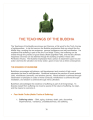
The Teachings of the Buddha
The Teachings of the Buddha
The Teachings of the Buddha are known as Dhamma, a Pali word for the Truth, the law of righteousness. In his first sermon the Buddha emphasized that one should live the Mi
The Teachings of the Buddha, known as Dhamma, emphasize the Middle Way, avoiding extremes of indulgence and self-mortification. Central to Buddha's teachings are the Four Noble Truths, which acknowled
10
Exploring the Dhammacakkapavattana Sutta and the Four Noble Truths
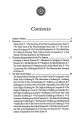
Contents
Author's Preface ............................................................................................................... 9
1 Overview ................................................
This text delves into the Dhammacakkapavattana Sutta, highlighting its key teachings on the paths of sensual indulgence and self-mortification, and emphasizes the Middle Way. The content covers the Fo
49
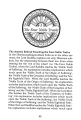
The Artistry Behind Preaching the Four Noble Truths
3
The Four Noble Truths
The Artistry Behind Preaching the Four Noble Truths
In the Dhammacakkapavattana Sutta as in his other sermons, the Lord Buddha explains not only Dhamma subjects, but the relat
In the Dhammacakkapavattana Sutta, the Lord Buddha presents the Four Noble Truths, emphasizing their interconnected nature. Each Noble Truth is not standalone; they influence and clarify one another.